
Explore Your Future in Healthcare
Your interests. Your next step. A future in healthcare.
Love science? Curious about technology? Enjoy helping people or caring for animals? Explore careers that connect with what you already enjoy, and discover some that you may never have considered.
Pima Medical Institute offers training for careers in medical, nursing, dental, healthcare administration and veterinary care. Some involve working directly with patients. Others focus on laboratory science, medical technology or the organization that keeps healthcare moving.
You don’t need to have your future figured out. Start with what makes you curious, then learn what it takes to get there.
Explore your options in the Allied Healthcare Field
This guide includes programs offered by Pima Medical Institute, regardless of campus location. This helps you explore on-campus certificate programs, on-campus associate degree programs and online options to find careers that connect with your interests.
Not every program is available at every location, and some require previous education, training or professional credentials. Ask your counselor or a medical career specialist at Pima Medical Institute where your chosen program is offered and what you will need to get started.
A quick guide to training and credentials
Certificate, associate, bachelor’s and master’s degrees are different educational credentials. Most careers also require a professional exam, certification, registration or license. Completing a program is one step; ask what else you will need before you can work in your chosen role.
The examples below describe what a career can involve. Duties vary by workplace, training, credentials and state requirements. You’ll develop relevant skills through your education, you don’t need to have them all today.
Dental Programs
Dental Assistant
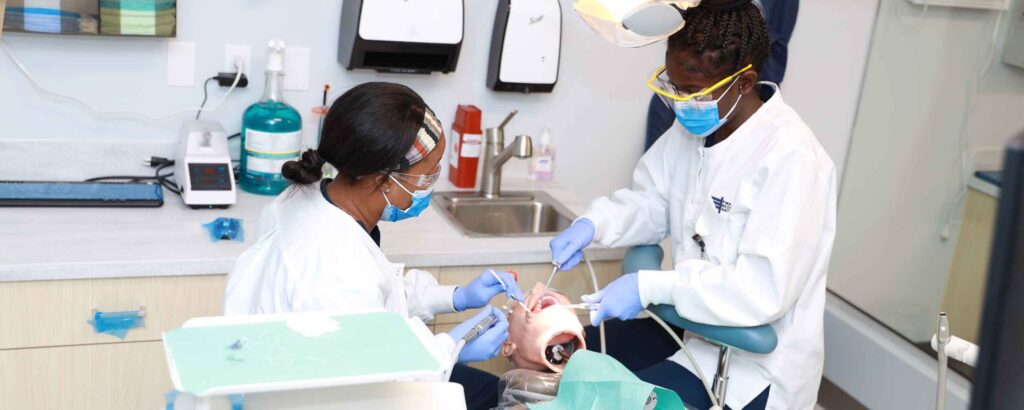
Help patients feel comfortable and keep dental care moving.
Think about everything that happens during a dental visit: getting the room ready, preparing instruments and helping the dentist during treatment. Dental assistants support those steps while helping patients feel more at ease.
What this career can involve:
- Preparing patients, treatment rooms and dental materials
- Assisting dentists during procedures
- Cleaning and sterilizing instruments
- Taking dental X-rays when permitted
- Updating records and helping with appointments
You might like this if you…
- Enjoy working with your hands and noticing details
- Like helping people feel comfortable
- Want a mix of patient interaction and practical tasks
Dental Hygiene
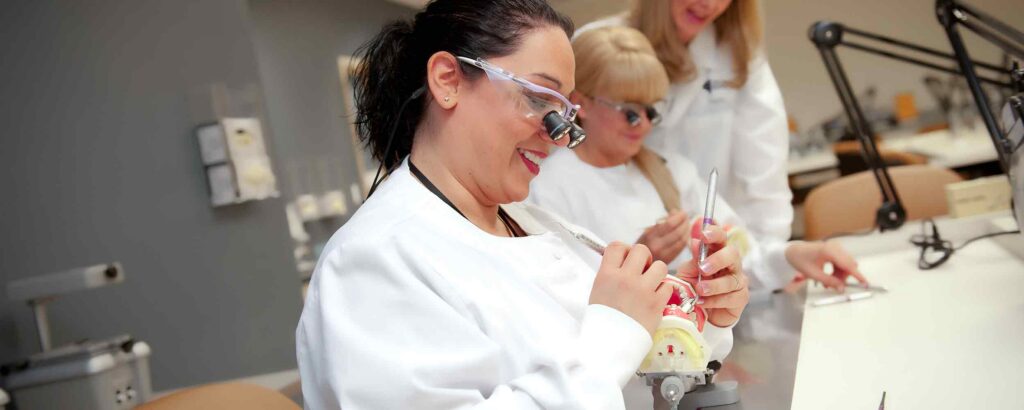
Help people protect their smiles; and understand their oral health.
Dental hygienists work directly with patients to help prevent dental disease and keep teeth and gums healthy. They combine precise clinical work with education, explaining how everyday habits can support oral health.
What this career can involve:
- Assessing teeth and gums and recording findings
- Cleaning teeth and removing buildup
- Taking dental X-rays
- Providing preventive treatments as permitted
- Teaching patients about brushing, flossing and oral health
You might like this if you…
- Enjoy science and detailed work with your hands
- Like explaining things and helping people build healthy habits
- Want regular, direct interaction with patients
Know the distinction: Dental assistants support procedures and office activities; dental hygienists focus on preventive clinical care and patient education. Each has its own training and professional requirements.
Healthcare Administration Programs
Medical Administrative Assistant

Help patients navigate their visits and keep healthcare offices organized.
Medical administrative assistants support the office side of healthcare. They help manage appointments, records and communication so patients and care teams have the information they need. This career combines people skills with organization and technology.
What this career can involve:
- Scheduling appointments and helping with registration
- Answering calls and routing messages
- Updating electronic health records
- Handling documents and insurance information
- Protecting patient privacy and supporting office operations
You might like this if you…
- Enjoy helping people find answers
- Like computers, planning and keeping track of details
- Are interested in the administrative side of healthcare
Healthcare Administration Associate Degree
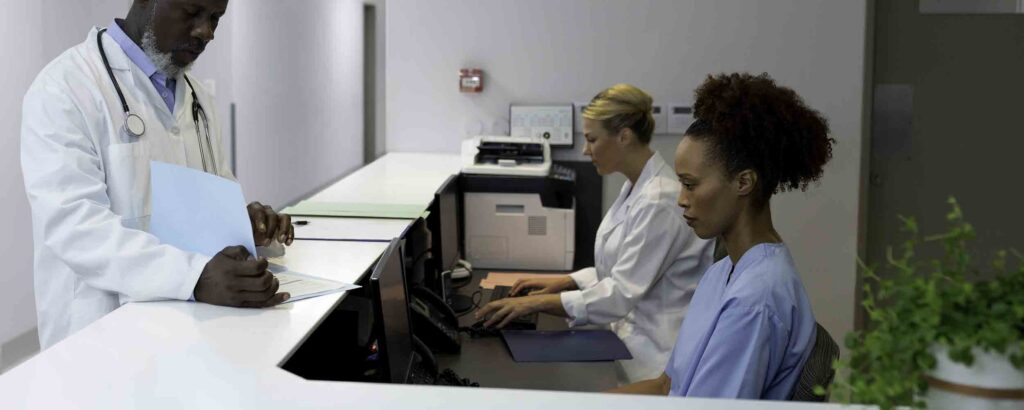
Interested in healthcare and business? Explore how the two connect.
Healthcare organizations need people who can coordinate information, support staff and keep daily operations organized. Health care administration introduces the business and operational side of care. Actual job responsibilities depend on the position, workplace and experience required.
What related roles can involve:
- Supporting medical office operations
- Coordinating records and administrative processes
- Helping with billing and financial tasks
- Supporting staffing and communication
- Using information systems to help work run smoothly
You might like this if you…
- Enjoy business, technology or organizing projects
- Like figuring out how to improve a process
- Want to support healthcare through administrative work
Plan ahead: An associate degree can help build a foundation; management positions may require additional education or experience.
Medical Programs
Advanced Emergency Medical Technician
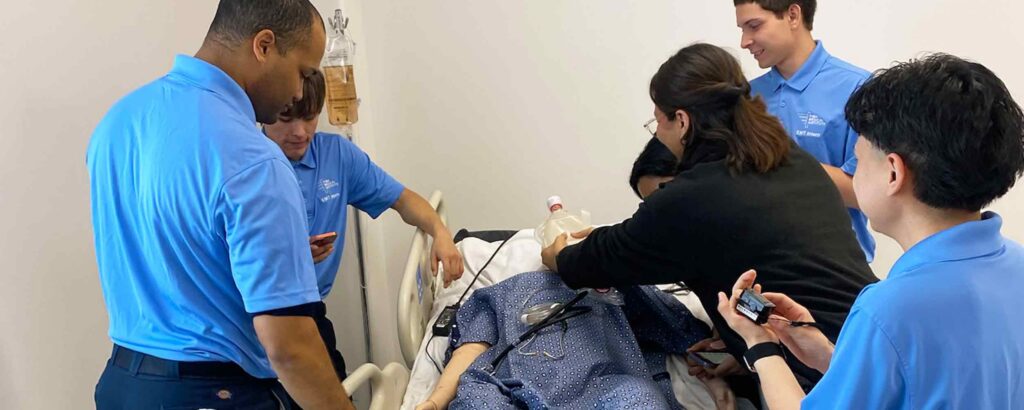
Build on EMT skills to provide a wider range of emergency care.
Advanced emergency medical technicians, or AEMTs, build on EMT training to care for people with serious injuries or illnesses. They assess patients, support treatment and work with an emergency response team at the scene and during transport.
What this career can involve:
- Assessing patients and recognizing changing conditions
- Providing emergency care within the AEMT scope of practice
- Establishing IV access and giving certain medications as permitted
- Supporting breathing and monitoring patients during transport
- Communicating and documenting care for the next healthcare team
You might like this if you…
- Are interested in developing beyond entry-level EMT skills
- Enjoy teamwork and practical problem-solving
- Want to learn to stay focused in urgent situations
Plan ahead: This is an advancement option rather than a first step without EMT preparation. Ask about required training and credentials.
Emergency Medical Technician
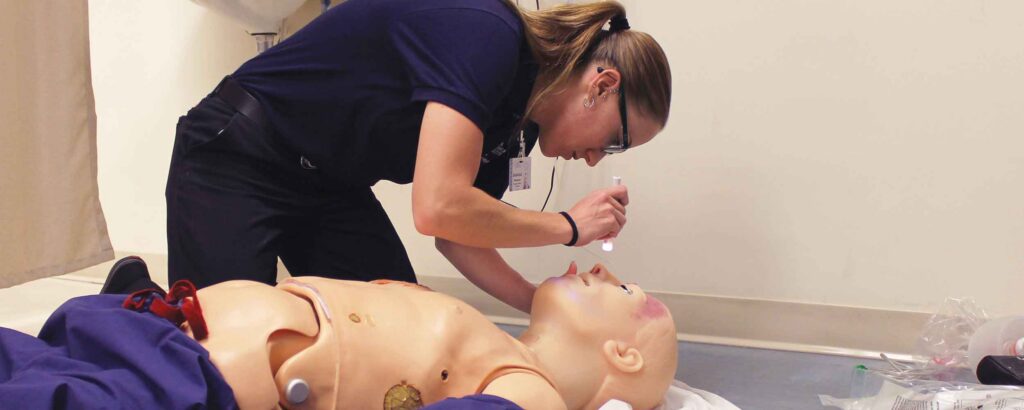
Be part of the team that responds when someone needs emergency help.
Emergency medical technicians, or EMTs, assess patients, provide immediate care and help transport people safely. Calls can involve injuries, breathing problems and other urgent needs. The work combines practical skills with clear communication and care for people under stress.
What this career can involve:
- Checking emergency scenes and assessing patients
- Performing CPR and using an automated external defibrillator, or AED
- Helping control bleeding and stabilize injuries
- Safely moving and transporting patients
- Communicating with emergency teams and recording care
You might like this if you…
- Are curious about first-responder work
- Enjoy active tasks and working with a team
- Want to develop skills for helping people in urgent situations
Diagnostic Medical Sonography
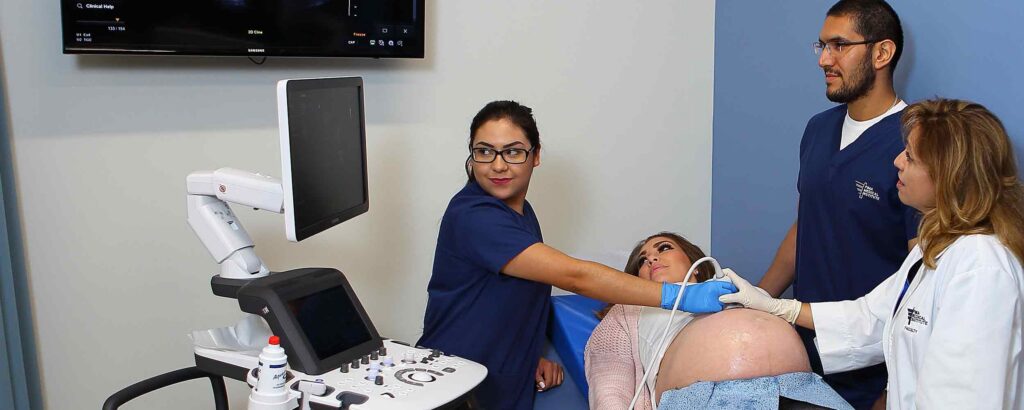
Use sound waves to help healthcare providers see inside the body.
Ultrasound does more than show images during pregnancy. Diagnostic medical sonographers use specialized equipment to capture images of structures inside the body. The work combines anatomy, technology and patient care, with careful attention to capturing the views healthcare providers need.
What this career can involve:
- Explaining ultrasound exams and preparing patients
- Positioning patients and using ultrasound equipment
- Adjusting settings to capture clear images
- Reviewing images for technical quality
- Recording exam information and working with the care team
You might like this if you…
- Enjoy science, anatomy and technology
- Like investigating details and solving visual problems
- Want to work directly with patients
Medical Assistant
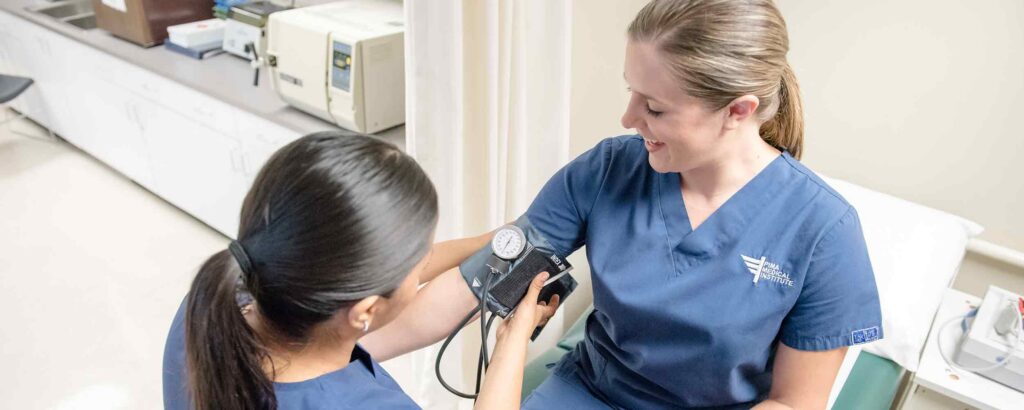
Help patients get ready; and help the care team stay on track.
At a medical visit, someone checks your blood pressure, asks about your health and helps you prepare to see the provider. That person is likely a medical assistant. This career combines hands-on patient care with the organization that keeps a medical office running smoothly.
What this career can involve:
- Checking vital signs, such as blood pressure and temperature
- Helping patients prepare for exams
- Assisting providers with procedures
- Collecting samples and performing clinical tasks when permitted
- Updating records and scheduling appointments
You might like this if you…
- Enjoy meeting people and helping them feel welcome
- Like variety and staying organized
- Are curious about working directly with patients
Medical Billing and Coding
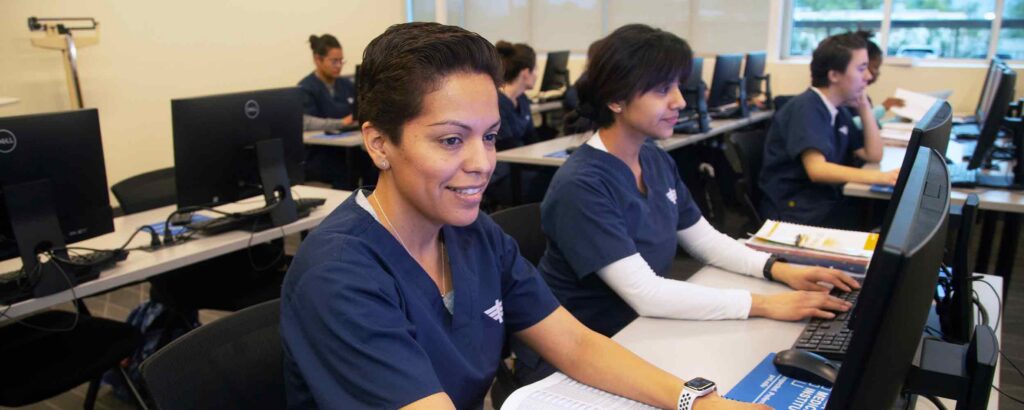
Like puzzles and details? Explore the information behind healthcare.
Medical billing and coding professionals help turn healthcare documentation into standardized codes and insurance claims. Their work supports accurate records and payment processes. It is a way to contribute to healthcare through information, technology and careful problem-solving.
What this career can involve:
- Reviewing medical records and documentation
- Assigning codes for diagnoses and procedures
- Preparing and checking insurance claims
- Investigating errors and helping resolve billing questions
- Protecting private information and following documentation rules
You might like this if you…
- Enjoy spotting patterns and finding mistakes
- Like computers, organization and detailed information
- Are interested in healthcare work focused on records and processes
Medical Laboratory Technician
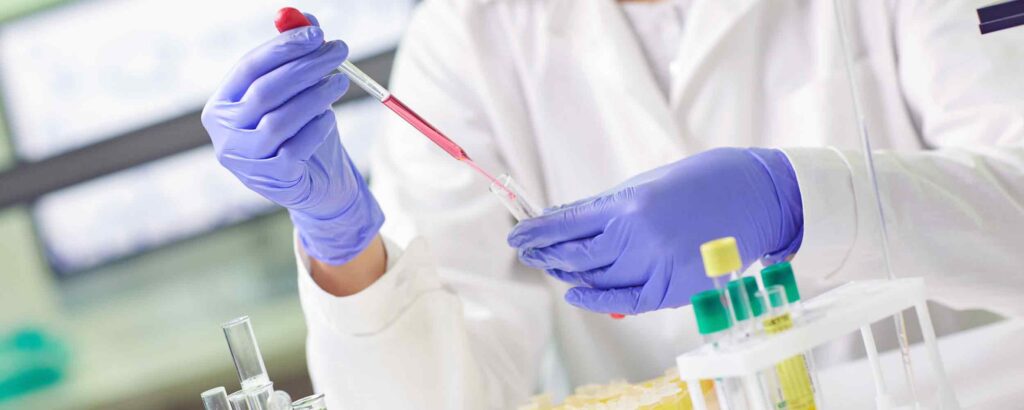
Explore the lab work behind important medical answers.
A small sample can hold important clues about someone’s health. Medical laboratory technicians test blood and other samples to help healthcare providers diagnose and monitor illnesses. This career brings together biology, chemistry, technology and careful investigation.
What this career can involve:
- Preparing samples for testing
- Using microscopes and laboratory equipment
- Testing blood and other body fluids
- Recording and reporting results accurately
- Checking equipment and testing processes for quality
You might like this if you…
- Enjoy biology, chemistry or laboratory activities
- Like investigating questions and checking details
- Want to contribute to patient care through laboratory science
Occupational Therapy Assistant
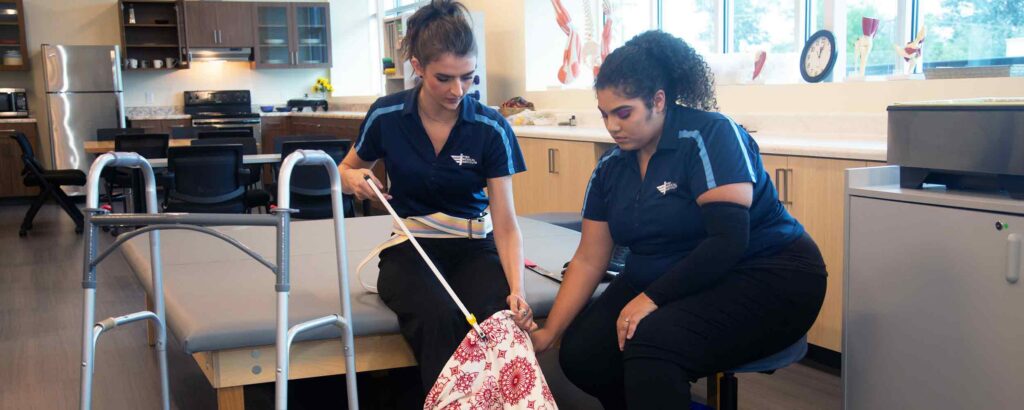
Help people build skills for the things they do every day.
Getting dressed, writing, preparing food or returning to school can become difficult because of injury, illness or disability. Occupational therapy assistants work under occupational therapists to help people build or regain everyday skills and work toward greater independence.
What this career can involve:
- Guiding patients through activities in their treatment plans
- Helping people practice daily tasks
- Demonstrating adaptive tools and techniques
- Supporting coordination and other functional skills
- Tracking progress and encouraging patients
You might like this if you…
- Enjoy creative, practical problem-solving
- Like helping people reach personal goals
- Are interested in how people participate in school, work and daily life
Know the distinction: Physical therapy often focuses on movement and physical function; occupational therapy focuses on participation in everyday activities. The two can overlap and work together.
Paramedic
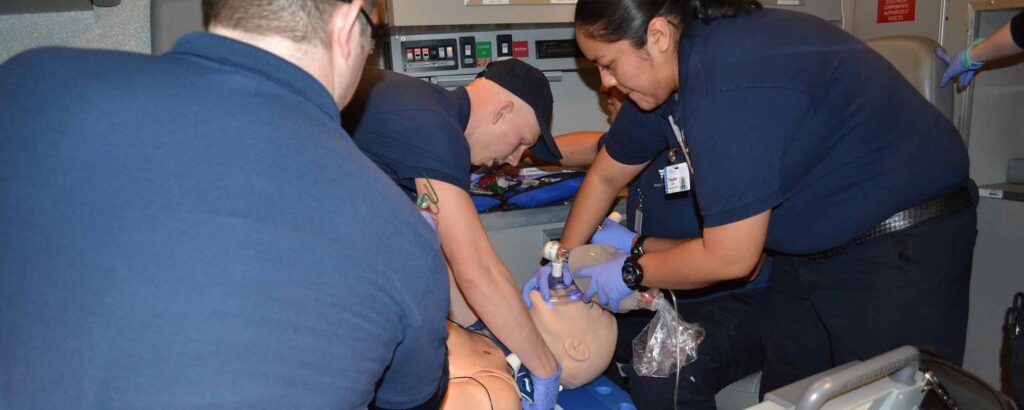
Develop advanced skills for serious medical emergencies.
Paramedics provide advanced emergency care before and during transport to a medical facility. They assess patients, choose interventions within their scope and work closely with other responders. The role requires substantial medical training, teamwork and judgment.
What this career can involve:
- Performing advanced emergency assessments
- Managing airways and supporting breathing
- Giving emergency medications as permitted
- Providing advanced care for cardiac and traumatic emergencies
- Monitoring patients and communicating with receiving hospitals
You might like this if you…
- Are interested in building advanced emergency-care skills
- Enjoy active work, science and teamwork
- Want to develop decision-making skills for urgent situations
Plan ahead: Ask about EMT credentials, experience and other admission requirements before planning this pathway.
Pharmacy Technician
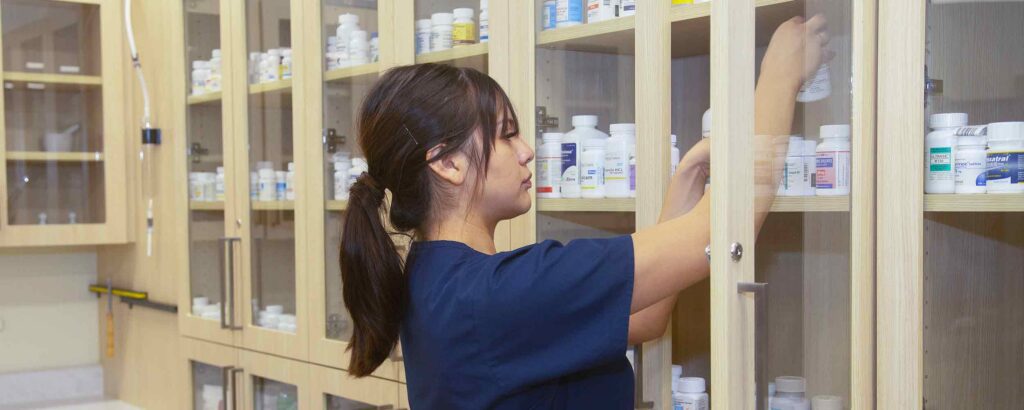
Explore the science, precision and teamwork behind pharmacy care.
Getting the right medication ready takes careful work. Pharmacy technicians support licensed pharmacists by helping prepare prescriptions, organize supplies and keep information accurate. The work brings together healthcare, technology, math and customer service.
What this career can involve:
- Entering and processing prescription information
- Counting, measuring and labeling medications under pharmacist supervision
- Using pharmacy software and performing calculations
- Tracking medication supplies
- Helping with patient information and insurance transactions
You might like this if you…
- Are interested in medications and how pharmacies work
- Like math, technology and checking details
- Enjoy helping people and following clear steps
Did you know that students in a Pima Medical Institute Pharmacy Technician Program earn their sterile compounding certification as part of their curriculum? That’s a certificate you’ll have prior to sitting for your state examination, and one you can put to use immediately once you begin working.
Phlebotomy Technician
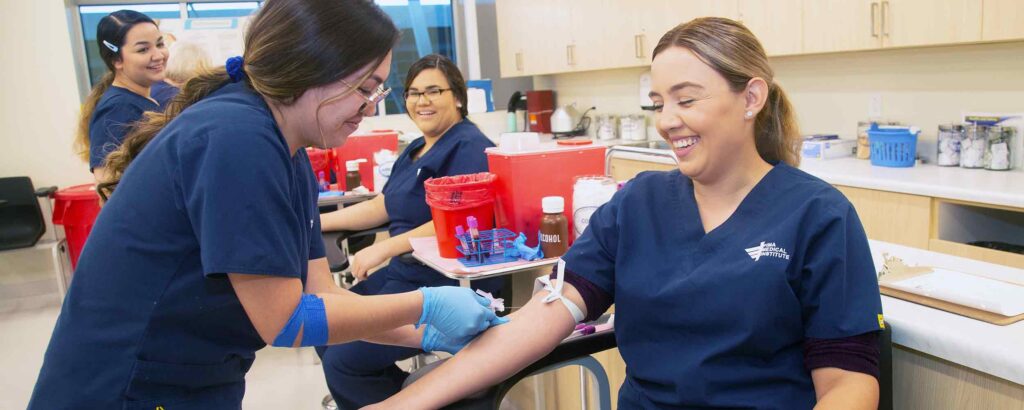
A blood draw can be the first step toward answers.
Phlebotomy technicians collect blood for laboratory testing and other medical purposes. They check patient identification, label samples accurately and help people feel more comfortable during a procedure that can make them nervous.
What this career can involve:
- Explaining blood draws and preparing patients
- Collecting blood using appropriate techniques
- Checking identification and labeling samples
- Preparing samples for transport and testing
- Following infection-prevention and safety procedures
You might like this if you…
- Are curious about blood collection and medical testing
- Like careful, hands-on work
- Enjoy helping people feel calm and understood
Physical Therapist Assistant
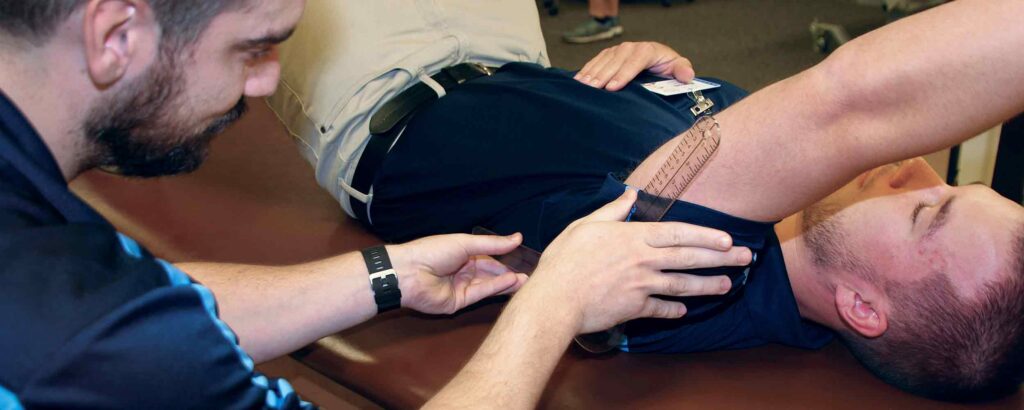
Help people work toward moving with greater strength and confidence.
After an injury, illness or surgery, everyday movement can become a challenge. Physical therapist assistants work under physical therapists to carry out treatment plans and help patients improve movement and physical function.
What this career can involve:
- Guiding patients through prescribed exercises
- Helping patients practice movement and mobility skills
- Using hands-on techniques and treatments within the care plan
- Tracking progress and documenting treatment
- Encouraging patients as they work toward their goals
You might like this if you…
- Are interested in movement, exercise and anatomy
- Enjoy coaching and encouraging others
- Want an active career working closely with patients
Radiography
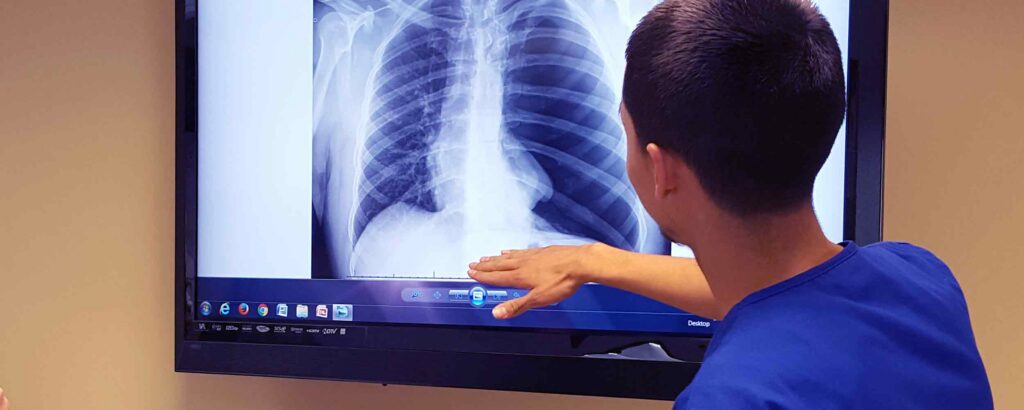
Combine technology and patient care to help reveal what is happening inside the body.
An X-ray can help a healthcare provider investigate an injury or illness. Radiologic technologists position patients, operate imaging equipment and create images while following radiation-safety procedures. Helping a nervous or uncomfortable patient is part of the job, too.
What this career can involve:
- Explaining imaging exams and preparing patients
- Positioning patients and equipment carefully
- Taking diagnostic X-ray images
- Checking images for technical quality
- Following safety procedures and maintaining records
You might like this if you…
- Are curious about anatomy and medical technology
- Enjoy solving practical problems and noticing details
- Want a career that combines equipment use with patient interaction
Respiratory Therapy
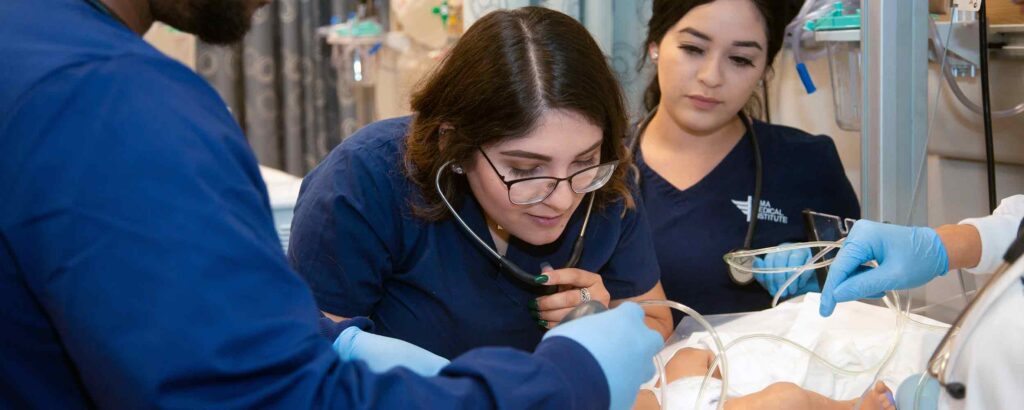
Help care for people when breathing becomes difficult.
Respiratory therapists help assess and treat people with breathing problems. They may care for patients of many ages, from premature babies to older adults. Their work combines knowledge of the heart and lungs with medical technology and compassionate care.
What this career can involve:
- Assessing breathing and monitoring treatment responses
- Giving breathing treatments and managing oxygen therapy
- Operating and monitoring ventilators
- Assisting during breathing emergencies
- Explaining respiratory care to patients and families
You might like this if you…
- Are interested in how the heart and lungs work
- Like technology and hands-on problem-solving
- Want to support people through routine care and urgent situations
Sterile Processing Technician
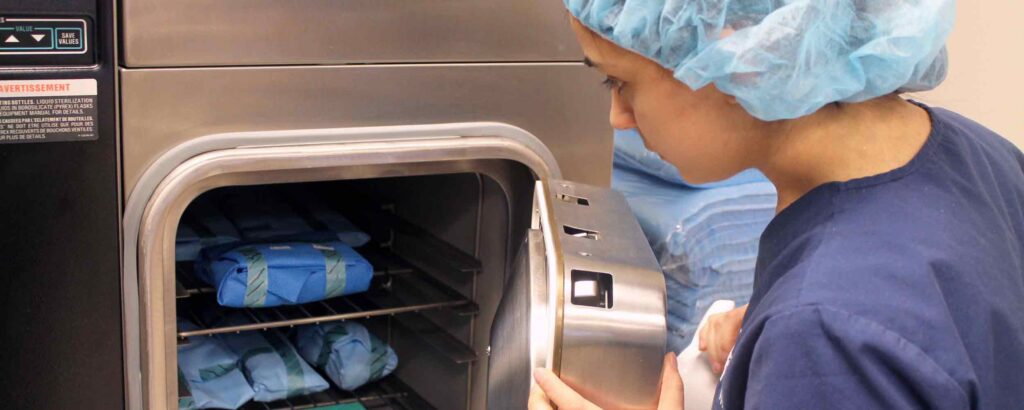
Before a procedure begins, someone makes sure the instruments are ready.
Sterile processing technicians help protect patients by cleaning, inspecting, organizing and sterilizing medical instruments. Their work supports surgery and other patient care, making careful preparation an important part of healthcare safety.
What this career can involve:
- Cleaning and inspecting reusable instruments
- Assembling and packaging instrument sets
- Operating sterilization equipment
- Checking and documenting sterilization processes
- Storing supplies and preparing instruments for procedures
You might like this if you…
- Enjoy organizing equipment and following clear steps
- Like noticing small details that matter
- Want to support patient safety through work behind the scenes
Surgical Technology
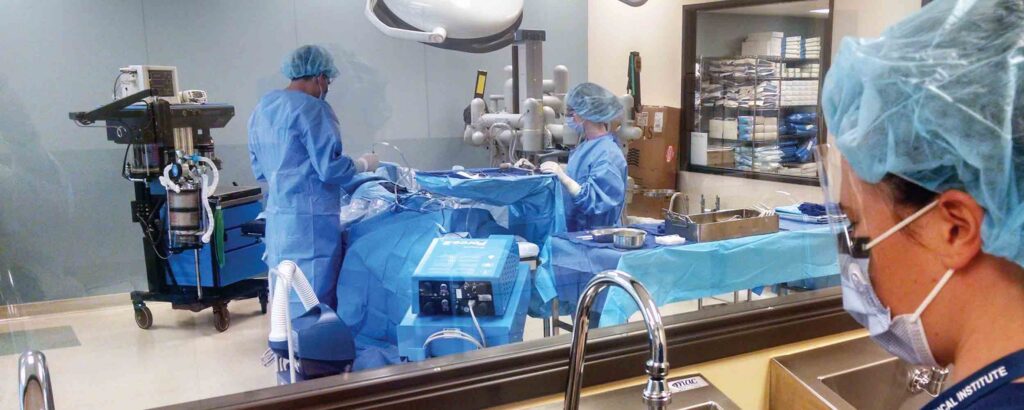
Explore the preparation, precision and teamwork behind surgery.
Surgical technologists help get operating rooms ready and support the surgical team during procedures. They prepare instruments and supplies and help maintain a sterile environment. Staying organized and anticipating what the team needs are important parts of the work.
What this career can involve:
- Preparing operating rooms, instruments and supplies
- Helping maintain a sterile work area
- Passing instruments during surgery
- Participating in counts of instruments and supplies
- Handling specimens and helping prepare rooms for the next procedure
You might like this if you…
- Are curious about surgery and anatomy
- Enjoy precise, practical work and organized routines
- Want to learn how a close-knit healthcare team works together
Nursing Programs
Nursing
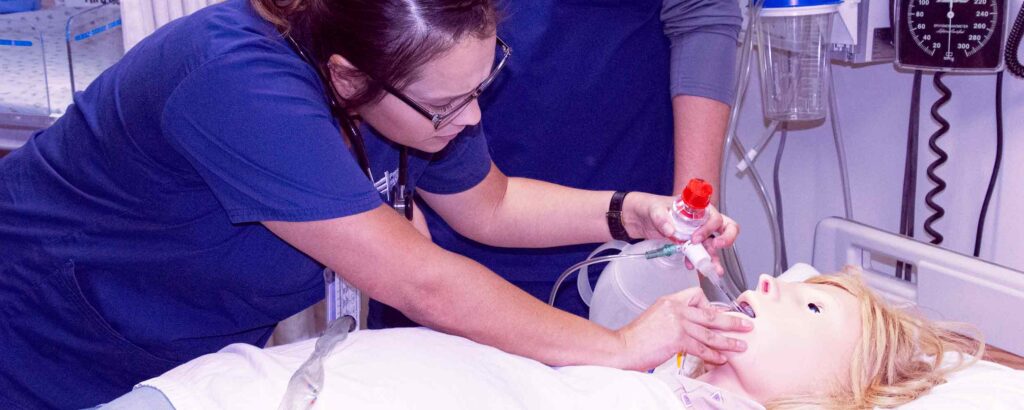
Combine science, judgment and compassion in patient care.
Registered nurses assess patients, provide and coordinate care and explain health information to patients and families. Nurses work in many settings and specialties, collaborating with other professionals and responding as patients’ needs change.
What this career can involve:
- Assessing health needs and planning nursing care
- Giving medications and treatments
- Monitoring patients and responding to changes
- Teaching patients and families about care
- Coordinating with the healthcare team and advocating for patients
You might like this if you…
- Enjoy science and understanding how the body works
- Like listening, explaining and solving problems
- Want to explore a career with many areas of patient care
Plan ahead: Registered nursing has its own education and licensing requirements. Ask how this pathway differs from practical nursing.
Nursing Assistant/Nurse Aide
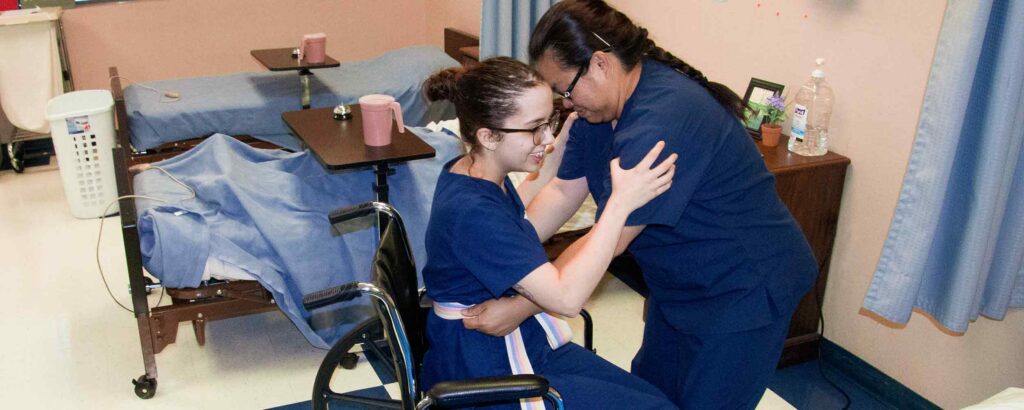
Make a difference in the everyday moments of someone’s care.
Nursing assistants help patients with daily needs while working under nursing supervision. Helping someone move safely, get dressed or feel more comfortable can make a meaningful difference. Frequent contact with patients also helps nursing assistants notice and report changes.
What this career can involve:
- Assisting with bathing, dressing and other personal care
- Helping patients move and transfer safely
- Measuring and recording vital signs
- Keeping patient areas clean and comfortable
- Reporting changes to nursing staff
You might like this if you…
- Want to help people directly throughout the day
- Enjoy active, practical work
- Are interested in learning about patient care and nursing teams
Know the distinction: Nursing assistants, practical nurses and registered nurses have different responsibilities and professional requirements.
Practical Nursing
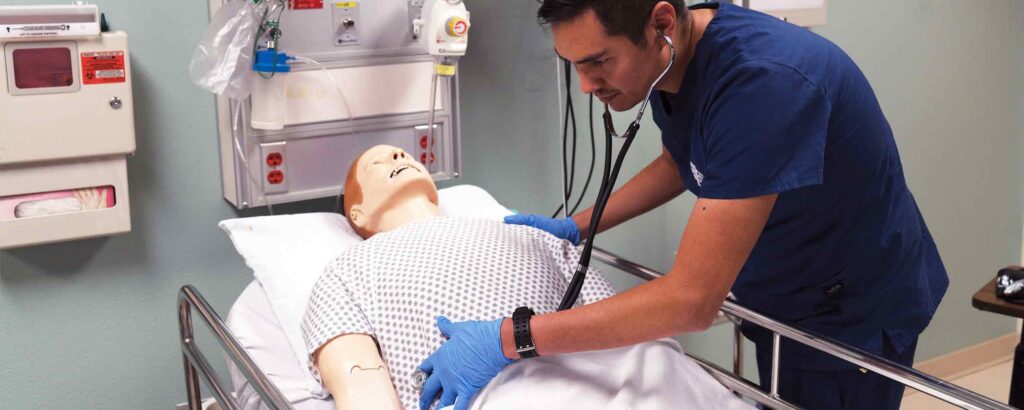
Build nursing skills that support people through daily care and recovery.
Practical nurses provide hands-on care, notice changes in patients’ health and help people understand their care. They work under the direction required in their practice setting, alongside registered nurses and other healthcare professionals.
What this career can involve:
- Checking vital signs and observing patient conditions
- Helping with wound care, treatments and personal care
- Giving medications as permitted
- Recording care and reporting changes
- Supporting patients and communicating with families
You might like this if you…
- Want caring for people to be a central part of your work
- Enjoy learning about the human body
- Want to build practical skills and take on responsibility
Know the distinction: Practical nursing and registered nursing are different roles with different education and licensing requirements. Ask about the requirements for each.
Veterinary Programs
Veterinary Assistant
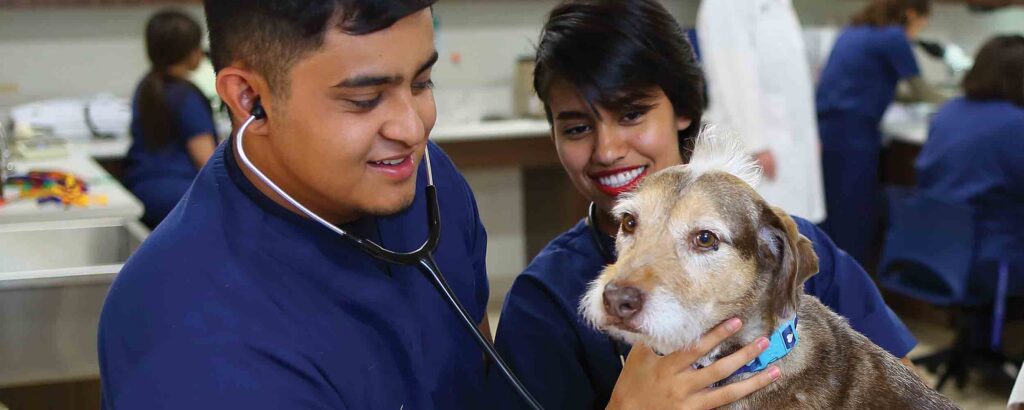
Put your interest in animals into action.
Veterinary assistants help veterinary teams care for animals and keep clinics ready for the next patient. That can mean helping during an exam, caring for hospitalized animals or preparing clean equipment. The work also involves communicating with owners and staying focused when animals are sick or frightened.
What this career can involve:
- Helping handle and position animals safely
- Supporting veterinarians and veterinary technicians during care
- Caring for animals staying in the hospital
- Cleaning animal-care areas and preparing equipment
- Updating records and helping pet owners
You might like this if you…
- Want to learn what happens inside a veterinary clinic
- Enjoy active work and practical tasks
- Care about animals and the people responsible for them
Thinking about becoming a veterinary technician? Veterinary Assistant and Veterinary Technician are different programs and roles. Ask admissions about potential next steps, eligibility and whether any credits may apply. Moving from one program to another is not automatic.
Veterinary Technician
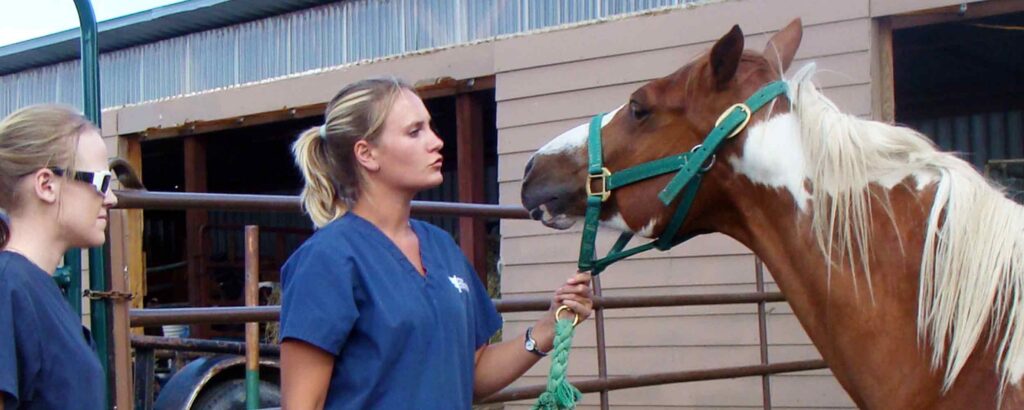
Take a deeper look at the science and skills behind animal healthcare.
Veterinary technicians work alongside veterinarians to provide nursing and technical care for animals. They assist with laboratory testing, imaging, surgery and recovery while also helping owners understand care instructions. This career calls for curiosity about medicine as well as compassion for animals.
What this career can involve:
- Providing nursing care and collecting laboratory samples
- Performing laboratory tests and assisting with imaging
- Preparing animals for procedures
- Monitoring anesthesia and recovery
- Giving medications as permitted and maintaining records
You might like this if you…
- Enjoy animal biology, science and practical learning
- Want to develop technical animal-care skills
- Can picture supporting animals and owners during challenging moments
Explore your next step: Ask how Veterinary Assistant and Veterinary Technician differ and which program fits your goals. If you are considering both, admissions can explain eligibility, credit acceptance and completion requirements. Completing a veterinary assistant program does not automatically qualify you for a veterinary technician program.
What catches your interest?
Choose one or two careers you want to learn more about. You don’t have to make a final decision today.
Talk with your school counselor or a Pima Medical Institute medical career specialist about where training is offered, how long it takes, what it costs and what you’ll need to get started. Ask about opportunities to see a campus and learn more about the work.
Information for School Counselors, Educators & Partners
Want to learn more about healthcare careers, schedule a campus tour for your students or learn more about the programs offered at Pima Medical Institute? Complete the form and we will get back to you.